
Hydrangeas are beautiful, colorful flowering plants that are pest resistant and disease resistant. They make beautiful dried flower arrangements, and come in many different varieties. You will need to know the hydrangea selections that will do well in your particular zone. The Plant Hardiness Zone Map and your local nursery or the knowledgeable gardeners in your area can help you determine the best varieties for your specific locale. Some of the very cold hardy varieties are the Annabelle and the Paniculatas. All hydrangeas are partial to the morning sun and afternoon shade.
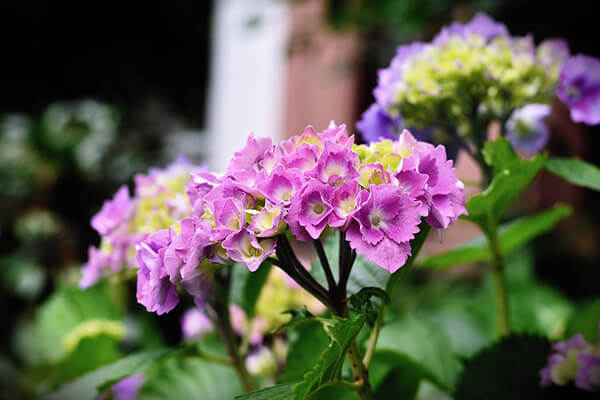
Hydrangea
Purchasing
- When purchasing hydrangeas, choose the ones that are in bloom whenever possible. This is the only way you can be very sure that you are buying the variety you have in mind. They are very difficult to differentiate when not in bloom.
Planting
- Hydrangeas are best planted in early summer or fall, clear away from danger of frost and from the hottest days of summer. If for some reason you decide to plant during hot summer days anyway, pay very good attention to their irrigation needs. Under normal circumstances, you need to water them deeply each week especially during dry weather.
- Do not plant hydrangeas under a tree, or you will be fighting a very difficult root problem. Do not use an area either where grass will not grow.
- Note the depth the hydrangeas have been planted in the pot. That is the same depth you need to plant them in the ground.
Irrigation
- Hydrangeas like well-drained soil. If you have heavy soil, add mulch like pine bark.
Blooming
- Hydrangeas produce flowers on new branches. Blue-colored blooms require acidic soil with pH of 5.0 to 5.5; pink flowers need alkaline soil, with pH of 6.5 to 7.0. Add enough limestone in the soil at time of planting to maintain the pink hue. For blue, add aluminum sulphate or sulfur. For lovers of blue, try Nikko Blue.
- The Merveille, Regula, and Rose Supreme are some of the varieties that can be blue or pink depending on soil pH.
- Endless Summer and Blushing Brides are examples of Hydrangea varieties that are for all climates.
Temperature
- Protect Hydrangeas from sudden cold temperatures, especially if they have been subjected to an extended warm spell.
Harvesting
- If you want your own dried Hydrangea flower arrangement, experiment harvesting from August through September to find the best color that appeals to you. You want them somewhat dry on the plant before you pick them, as fresh blooms do not dry well in open air.

I have a neighbor who has established hydrangeas. Im told i can transplant some to my yard. The stalks are just starting to green out. Is this a safe time to relocate some?? How should i dig them up??
Hi Julie, yes I think it should be perfectly safe to transplant them now. As for how to do it, I think I’ll just point you to this YouTube video since it’ll be able to show you better than I could explain it with words! https://www.youtube.com/watch?v=91PUxQsmvSo
Hi Michael
A friend cut down the hydrangeas & said they’d grow back next year. They are dead I’m sure. She says she’s a master gardener, is she wrong? Appreciate your answer, thank you.
Hi Deb, it’s a bit hard to say without seeing them myself to determine just how “dead” they were. Of course if they were completely dead then barring some miracle they’re not going to grow back. I think we’ll just have to wait and see what happens! I’d be interested in hearing why your friend thinks they’ll grow back next year if they really were dead, though. Perhaps she knows something I don’t! I’m not a master or anything 🙂
Some hydrangeas bloom on last year’s growth or old wood, particularly lace cap varieties. These can only be pruned in late summer. Heavy pruning will prevent blooms for a season or two.