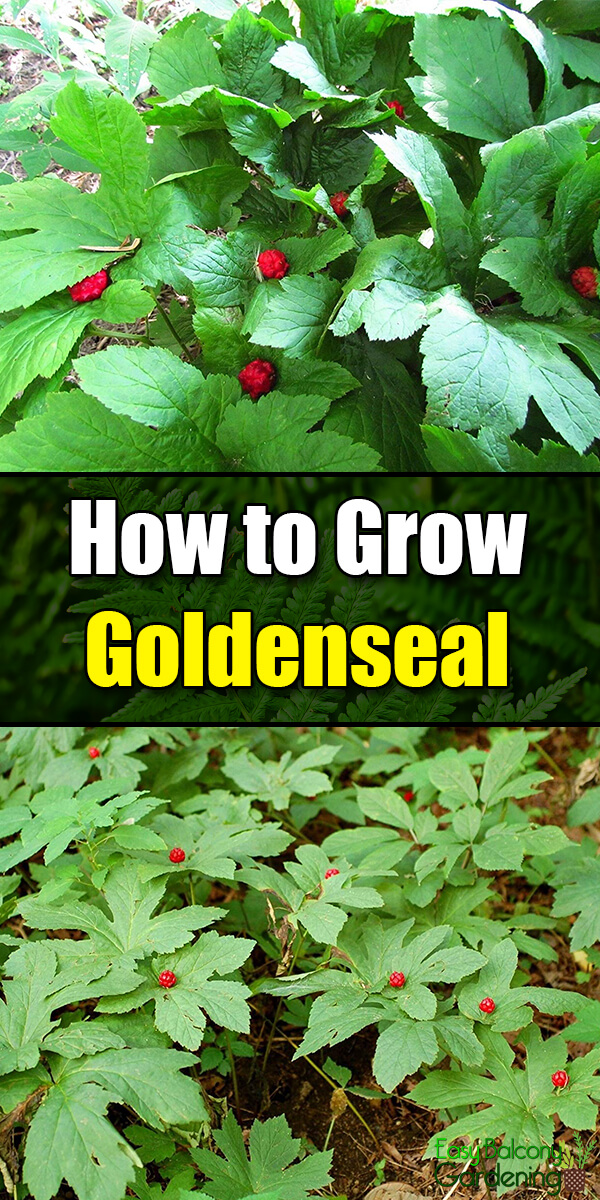
Goldenseal is a small perennial herb plant that has a lone raspberry-like berry holding up to 30 seeds. The Native Americans treated skin diseases, eye inflammations, and wounds with goldenseal. Today, it still enjoys multiple uses, among them as a medicinal herb. Quite often, it is prepared in combination with another medicinal herb, echinacea.
Cultivation
The basic method of growing goldenseal is from seed planted in a shady location. Shallowly sow moist, fresh goldenseal seed in rich, well-drained soil. The flowering stem begins to show in early spring. The other option of cultivation of golden seal is from cuttings. However, this process would produce only about four new goldenseal plants, whereas a single seed under normal conditions can produce 30 seeds or 30 new plants. Another advantage to the seed method is that it is more cost effective. Also, goldenseal is responsive to organic fertilizers. Diseases and infestations are usually not a grave menace for the herb, but rodents may be a problem if you plant your goldenseal in wooded areas.
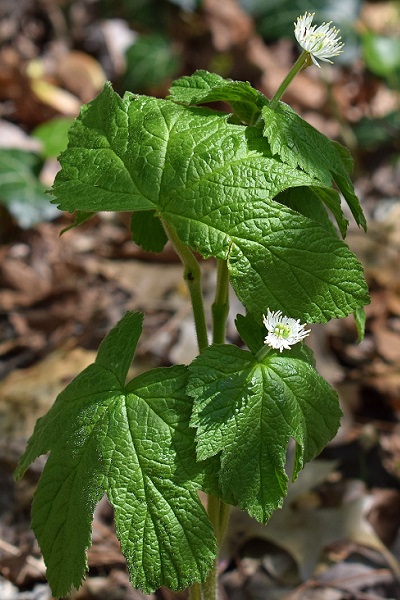
Goldenseal
Humidity
Goldenseal does not respond well to high humidity. If you live in the southern areas where the heat and humidity are quite high, it will not be very beneficial for you to grow goldenseal. Greenhouses may be an option, but you will have problems in the summer time.
Goldenseal as a Medicinal Herb
The goldenseal root contains iron, calcium, manganese, and Vitamins C, E, and B-complex. Due to goldenseal’s medicinal attributes, it is often formulated to boost the curative value of other herbs. Some of the health issues for which herbalists today recommend the use of goldenseal are duodenal ulcers, gastritis, liver disease, colitis, and loss of appetite. It is also believed as an effective helper for problems associated with the mucous membrane. The usual dosage for capsules is up to 500 mg taken three times daily at regular intervals, in liquid form up to 4 ml three times daily, and in powder form up to six grams daily. Since goldenseal is a medicinal herb, the Federal Drug Administration does not concern itself as to whether it is effective or safe. Consult with your medical professional if you have questions. Likewise, your local poison control center can help in case of suspected goldenseal overdose.