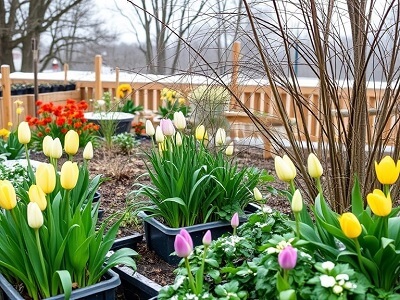
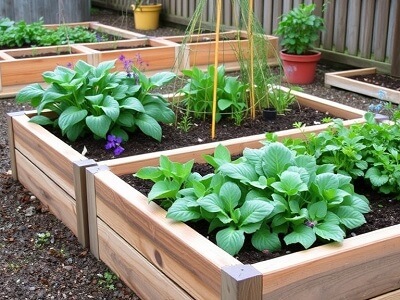
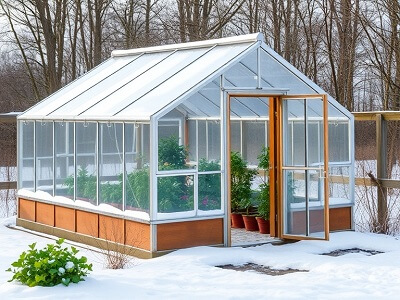
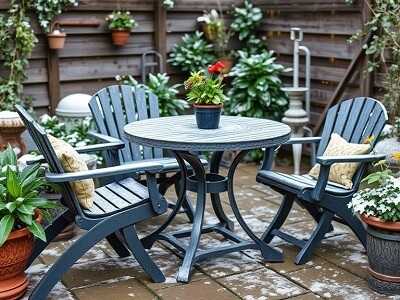
Growing culinary herbs under full sun for about six hours everyday give them better flavor and quality. They grow well in containers, in hanging planters, in raised beds, and thrive even with soilless techniques of gardening like hydroponics and aeroponics. If you are planting culinary herbs in containers, put an inch of gravel on the bottom for drainage. Excepting strawberries, plant just one variety per pot. Below are some of the more popular culinary herbs that you can grow.
Anise
Anise
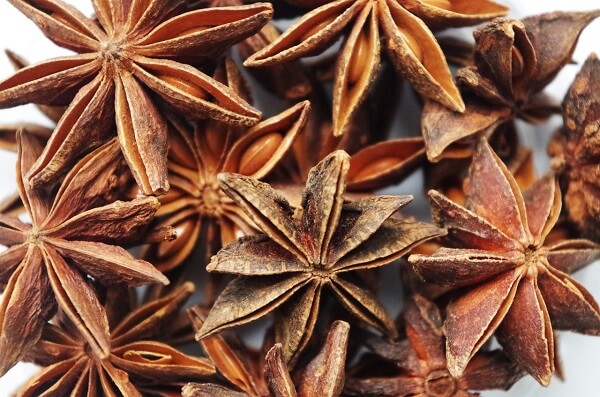
You can grow anise for garnish and for salads. With its licorice-like taste, you can also use this culinary herb for cakes, cookies and other confections. Wait to plant until the danger of frost is completely over. If you are growing anise in raised beds or your ground, plant it in rows that are two feet apart. To use the seeds, wait until four weeks after the flowers bloom.
Basil
Basil
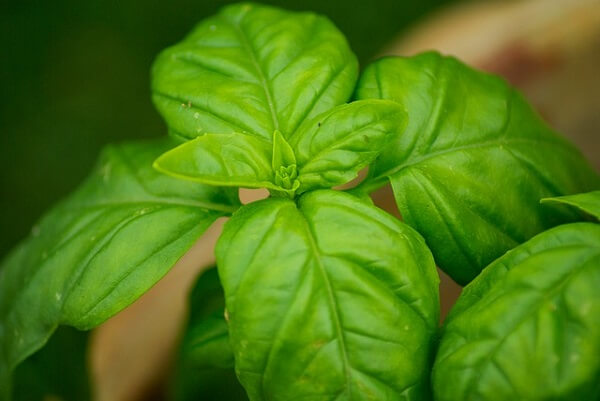
This beautiful aromatic culinary herb is quite popular as seasoning for tomato dishes. To grow it, you will need moist but well-drained soil. Do not overwater the seedlings. Protect basil from the mid-day sun, and water thoroughly about every eight days when there is no precipitation. Plant until all danger of frost has gone. Pinch the stems to prevent luxuriant growth, which impacts the culinary herb’s flavor. If you want to dry basil, harvest the leaves just prior to the opening of the blooms.
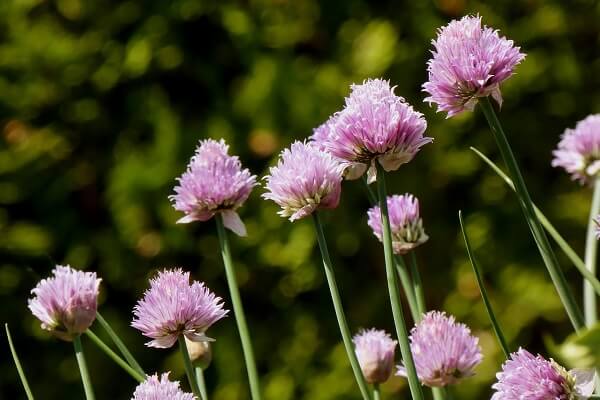
Chives
Chives
This culinary herb is a decorative plant that has an onion-like taste. There is a distinct difference in the taste between fresh chives and the dried ones. Plant the clumps about 10 inches apart, and divide and replant every three years. They grow to about ten inches high, and the leaves can be harvested as they develop. This culinary herb requires little care, but it needs to be divided to avoid overcrowding. Apply fertilizers sparingly.

Coriander
Coriander
The seeds of this culinary herb are used in confections, but the leaves have a bad taste and a pretty strong odor. Grow coriander from seed in the spring, and thin about 10 inches apart. When the plants are about six inches tall, start harvesting and gather the seeds as they ripen, about mid-summer.
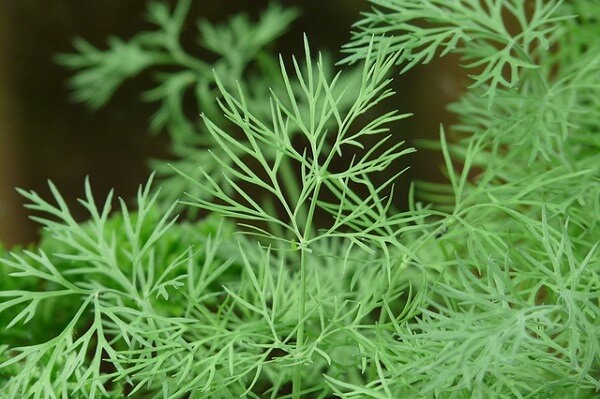
Dill
Dill
The dill seeds are quite popular for pickling. They flavor cucumbers, beets, and sauerkraut. Grow this culinary herb in the spring after all danger of frost has gone. It does not transplant easily, so be firm where you want it to grow. Wait for the seeds to be flat and brown prior to harvesting. The leaves, however, can be harvested just as the blooms open.
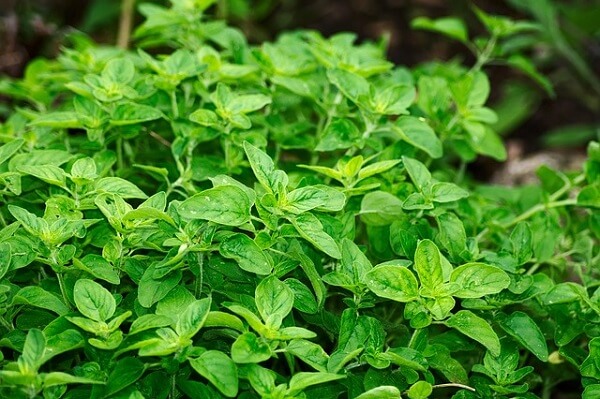
Oregano
Oregano
This culinary herb is quite popular to those who love pizza and Italian-inspired sauces. The plant is easy to grow, even in poor soil, and can be propagated from seed or by division. Oregano can be preserved through dehydration. You can use the fresh leaves as needed.
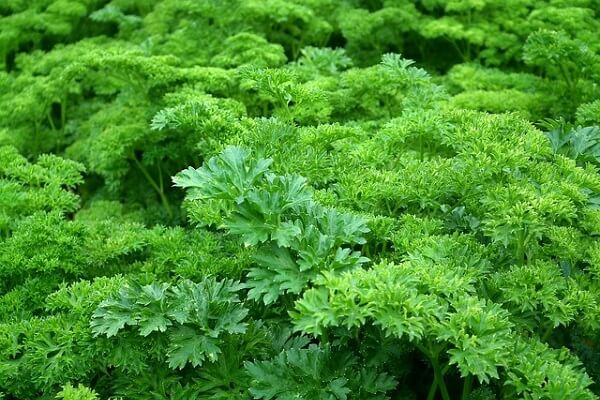
Parsley
Parsley
Whether fresh or dried, you can use this culinary herb, which is rich in iron and in Vitamins A and C. It is widely known as a garnish and as a flavoring. Many garlic and onion lovers use it as a breath freshener. If you want parsley for cooking, treat it as an annual instead of a biennial. The fresher the leaves, the better the flavor. Grow this culinary herb in moderately rich, moist soil, under partial or full sun. It will need ample irrigation during dry weather.
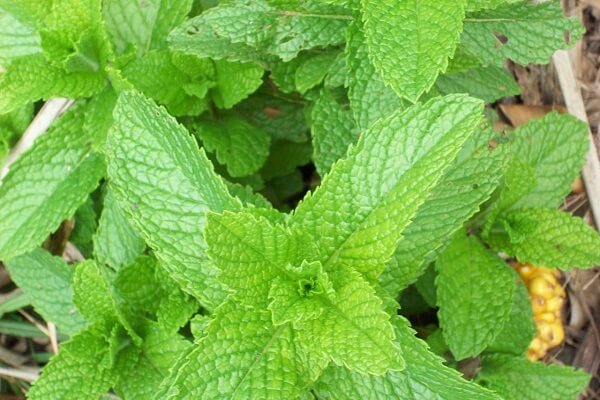
Peppermint
Peppermint
This is a culinary herb that is widely used in teas. Its oil is used in confections, chewing gum, etc. It is a perennial, but replenish the beds every three years. It grows well in the sun or in the shade. Cut the sprigs very often, and you will be rewarded. The more you cut, the better its growth. If you want to dry peppermint, harvest the leaves just as the plant begins to bloom.
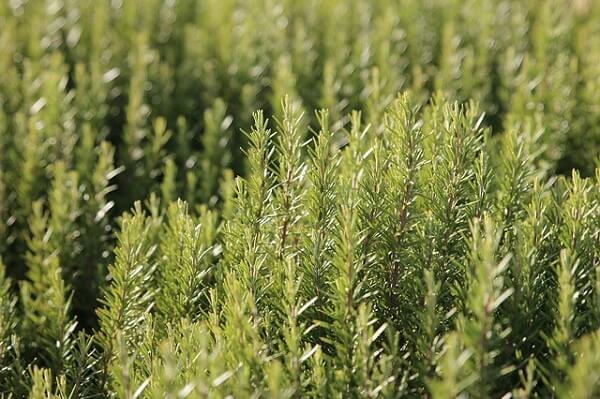
Rosemary
Rosemary
This culinary herb is widely used as flavoring and as garnish for meats. It also has medicinal value. Use the leaves as you need them. Rosemary grows better in sunny spots and lime-rich, well-drained soil. It is hardy, but for temperatures below 5oF, you should consider container gardening and move it indoor.

Sage
Sage
This is a culinary herb that is widely known as a flavoring. Think of Thanksgiving turkey, and you know you need sage. Sage loves the sun. It is a perennial, but renew it every three years so that the plants do not turn woody. You can grow from seed or cuttings. Since it is a slow starter, sow the seeds indoors and transplant. You can harvest the seeds before or during flowering, but prune the stems after blooming.
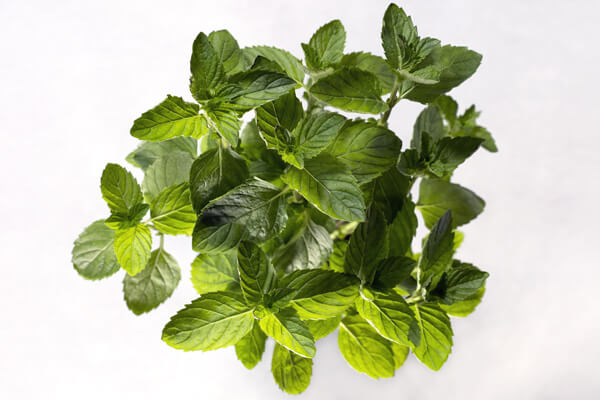
Spearmint
Spearmint
The leaves of this culinary herb are used for mint sauce, teas, and cold drinks. The oil is for confections. It is a perennial plant, but renew the beds every three years. Propagate by cuttings or division. Frequent cuttings will augment its growth. You can use the fresh leaves and stem tips at any time, but cut the leaves just before the blooms appear if you want to dry them. Spearmint prefers moist soil.
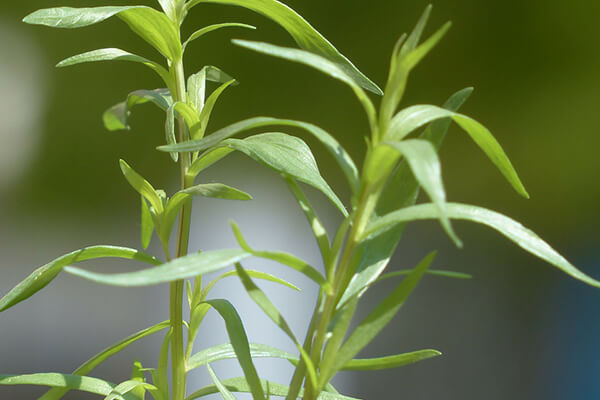
Tarragon
Tarragon
This is a culinary herb with leaves that are anise-like in flavor, used in salads, sauces, and marinades. If you want flavor, use only young fresh leaves and stem tips. Tarragon prefers partial shade, but will also grow under full sun. Propagate from root cuttings or by division. Replant every three years.
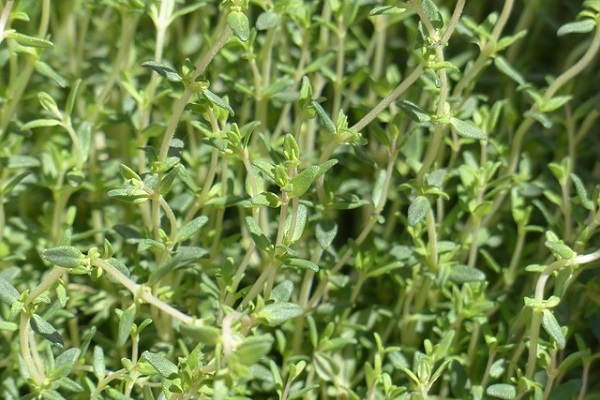
Thyme
Thyme
This is another perennial that is used widely as seasoning. It oil is used in perfumes and medicines. Thyme grows to about ten inches only. Propagate with divisions, cuttings, or direct seeding. Thin the plants about 12 inches apart, and renew them every three years. This culinary herb also makes a good border plant and over rocks.
Remember your herbs need full sun for about six hours every day. If necessary, plan on a mobile garden. Growing culinary herbs is easy!