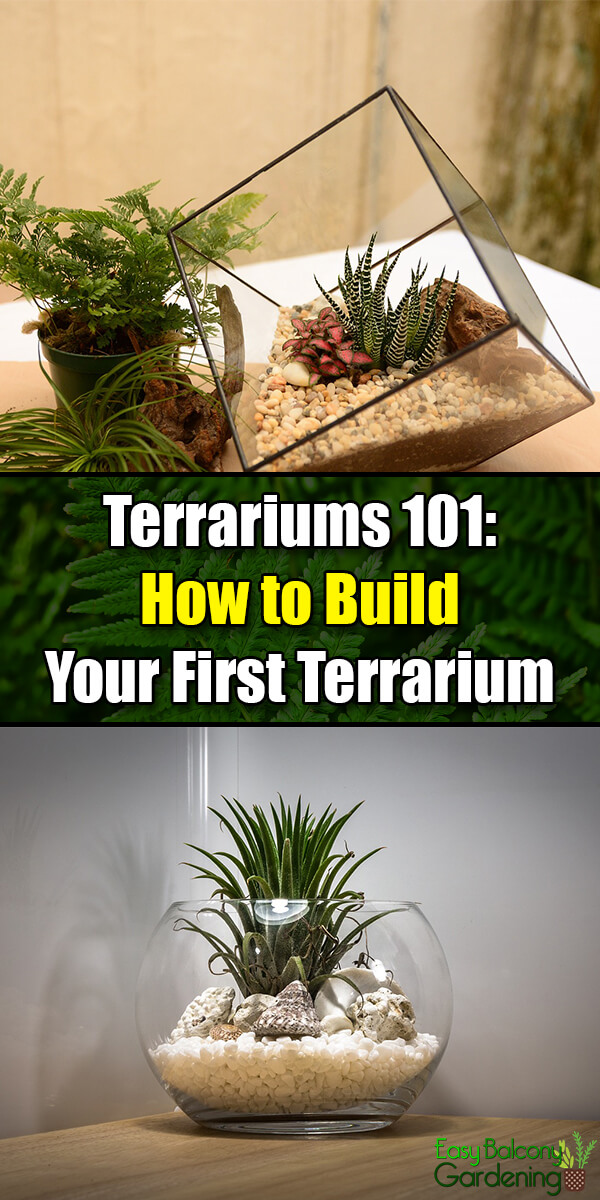
When creating terrariums, remember the three basic types. The easiest are the open air, or dish, terrariums that are an open environment. The opposite, the closed environment, are creating terrariums that are more difficult. The third type of terrariums are the vivariums, which are animal terrariums where plants are joined by a live creature inside like a turtle, a lizard, etc. Do some research, however, before creating terrariums that are self-contained vivariums. Make sure the animal can survive the atmosphere you are providing.
Basic Materials When Creating Terrariums
Have everything ready before creating terrariums. That means the chosen theme: desert, jungle, etc.
- Potting soil
- A clean aquarium, a deep dish bowl, a glass jar, etc. If the aquarium is old and you suspect a possible leak, seal with a high quality sealant,The shape, size, and look of your container are very important in achieving the look you want. Clean your container well. Sanitize, if necessary.
- Slow growing short plants, the number depending on the size of your terrarium container. Do not overcrowd. Pay attention to leaf shapes and colors.
- Miniature figures, mosaic stones, etc., to help create the atmosphere you want. Arrange and rearrange these ornaments with the plants until you are satisfied with the look prior to placing them in the terrarium
- Before creating terrariums, sketch the finished arrangement. Be certain where everything goes. It will be a big pain to have to rearrange them after planting.
- Eggshell crate or pebbles, sufficient to layer the bottom of the terrariums.
- Spaghnum moss, or a very fine screen to filter the soil.
- Activated charcoal (not charcoal briquettes for grilling), as air freshener, if you are creating terrariums that have a closed environment. You can buy activated charcoal at pet stores selling aquarium supplies
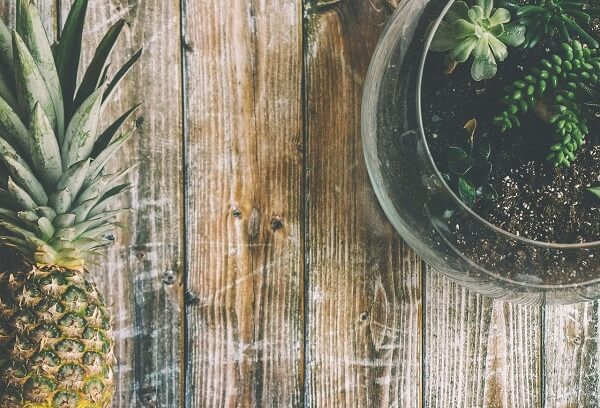
Basic Procedures for All Types of Terrariums
- The first layer is of clean eggshell crate, cut to size for the bottom of your terrarium, or pebbles to allow for water drainage. The drained water is reusable.
- The second layer is of activated charcoal to keep the air fresh.
- The third layer is of spaghnum moss, which can hold many times its weight in water. It will filter the water down to the eggshell crate. Although very fine metal screen can also do the job, that screen will eventually rust and will require replacement.
- Your final layer when creating terrariums is the potting soil. Regular potting soil will usually work fine for terrariums.
Selection of Plants
- In creating terrariums, select plants that grow slowly, stay very short, and are able to abide high humidity. Some suggestions are low ferns, short crotons, herbs like parsley, oregano, mint, African violets, bromeliads, pitcher plants, Irish moss, and so forth.
- Cacti are not good plants for terrariums, but it is possible. Actually, with proper care, most any houseplant can be used and grown when creating terrariums.
Irrigation
- Rainwater is good. In its absence, you can use distilled water when creating terrariums.
- Do not use tap water unless you are sure that your filter removes the salt content from the water. That salt can be detrimental to your plants’ health.
- Due to the humidity in terrariums, be careful with how you water your plants to prevent disease. Irrigate around them, avoiding water on the leaves and crowns of the plants.
- Test the soil for dryness prior to irrigation. Do not water if any dirt sticks to your testing finger.
When creating terrariums, remember that, as with most plants, you need to leave your soil just moist, not soggy.