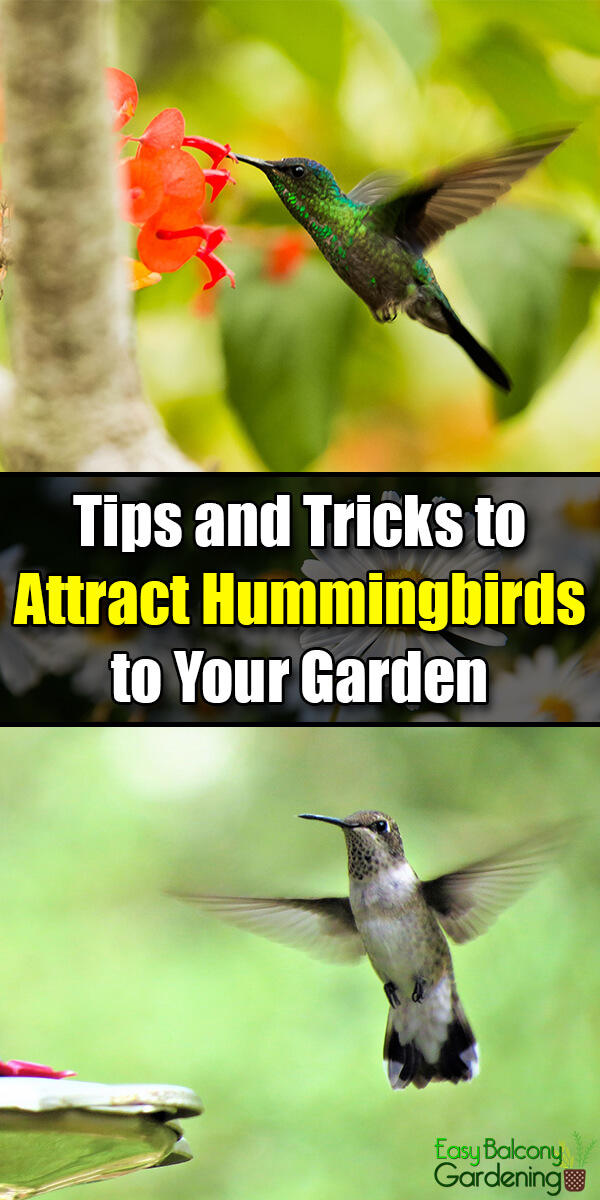
Attracting hummingbirds invites pollinators to your garden. They are small, agile, quiet, brave, colorful pollinators that are gentle on crops and domestic animals. Hummingbirds have almost worldwide acceptance among humans. When attracting hummingbirds, remember also to protect them!
Know the Background!
- There are about 340 hummingbird species. Hummingbirds can weigh from .06 to 0.85 ounces, and measure from two to 8.5 inches.
- The Rufous hummingibrds are what we normally see around in the North Americas. They weigh about 0.106 ounces and are about 3-1/2 to 5” long.
- Attracting hummingbirds with passable shelter and accessible feeders will help these hummingbirds endure temperatures below freezing.
- Migratory hummingbirds store their fat to double their size to help them with flying time.
- They have been known to live as long as 17 years.
Diet
- Attracting hummingbirds means flowers with nectar that has about 25% sugar content and high in sucrose.
- Since nectar is insufficient for their nutrition, attracting hummingbirds also means insects and spiders.
- Hummingbirds frequently drink nectar and feed on insects in small quantities daily, up to more than their body weight.
- When necessary, hummingbirds enter into a dormant-like state, decelerating their metabolism and thus their need for food.
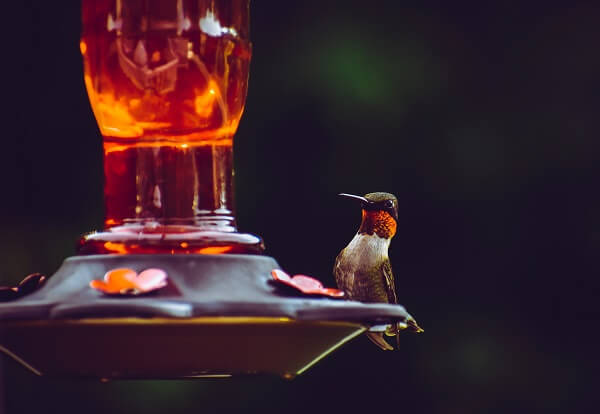
Humming birds are just nuts about red colored sugar water.
Attracting Hummingbirds as Pollinators
- Attracting hummingbirds means cultivating plants that produce bright pink, orange, and red flowers.
- The hummingbirds lick the flower’s nectar by inserting their beak into it. The pollen that sticks to the beak is then carried to the pistils of other flowers.
- Hummingbirds are either long-beaked or short-beaked. Attracting hummingbirds means flowers that conform with the length of their beaks. Since the best of the nectar is at the bottom of the floral tubes, the short-beaked hummingbirds that would try a long floral tube will not be able to mine that nectar concentration.
- The Rufous hummingbird, being migratory from Alaska to Mexico, are determined to be the number one pollinator of all the species, as they pollinate plants during their entire journey.
Ornamental Plants and Attracting Hummingbirds
- Along with an environment free from pesticides, attracting hummingbirds means ornamental plants like the azaleas, scarlet bee balm, begonias, eucalyptus, fuchsias, hollyhocks, orange honeysuckle, r ed columbines, red morning glories, etc.
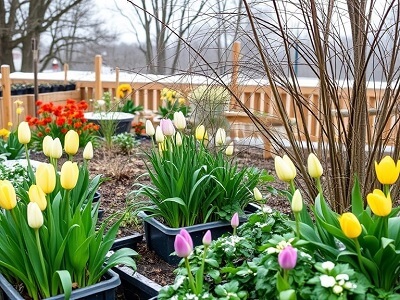
- If you have limited space, attracting hummingbirds can be done with smaller plants in pots.
- Plant those varieties that bloom throughout the time that these hummingbirds are around. Attracting hummingbirds can also be done by providing artificial feeders nearby to supplement their energy source when flower blossoms are scanty.
- When blossoms are in abundance, they may ignore your feeders. If you are for attracting hummingbirds that are migratory, leave your feeders for about two weeks longer after you have seen your last hummingbird. Keep those feeders clean and the nectar fresh.
Feeders
- Attracting hummingbirds with artificial nectar is easy.
- Dissolve in boiling water one part of white granulated sugar to four parts of water. Allow the nectar to cool before pouring it into the feeder.
- Protect the hummingbirds’ health by using plain water and white granulated sugar only. The nectar is considered safe for two to four days. Do not fill your hummingbird feeder more than half full, as you have to clean it and replace the nectar every three days or oftener during hot weather.
- Soak the hummingbird feeder in a solution of water and vinegar, or flush it with hot tap water, and scrub with a brush. It is not recommended to use harsh chemical or soap to clean the hummingbird feeder. If you do, rinse it very well to eliminate chemical or soap residues.
- Discourage ants and bees by installing guards if they do not come built in with your hummingbird feeder.
Attracting hummingbirds is joyful, and as convenient as going online or at specialty stores.